
In the past ten years there was a lot of talk about the „green new deal“, meaning the transitioning from a fossil-based to a carbon-free economy, and President Joe Biden was able to get congressional approval for a slimmed-down version. This is history. The „green new deal” only lives on as a foil for right-wing ridicule. I asked James van Nostrand why that is and what’s in store. Van Nostrand is the Policy Director at the Future of Heat Initiative, a nonprofit organization working on energy affordability issues, and the author of «The Coal Trap: How West Virginia was left behind in the clean energy revolution.” He is based in Philadelphia.
The midterm-election campaigns are picking up. It seems that the environment and green energy policies hardly play a role. Is that a correct assessment?
Yeah, I think that’s fair to say that little attention is being devoted to climate issues.
Why is that so? We see record heat waves and forest fires that show the urgency of fighting climate change. Why is the issue not highlighted?
All the attention is really focused on energy affordability. And I think the fossil fuel industry to some extent has been successful in crafting a message that the reason energy prices are going up is because of all these clean energy initiatives, that renewable energy costs more and that’s what’s driving up your energy bills. So, with all the interest on energy affordability, some states, some governors are revisiting their climate goals and easing back on the climate goals on the grounds of pursuing energy affordability.
Affordability is the issue which is stressed by the Democrats. Are they actually advocating cheaper oil and gas in doing so?
No, they are not promoting more use of oil and gas. I think it’s more a case of them being ineffective in responding to the message of the fossil fuel industry and not rebutting the suggestion that clean energy and affordability are mutually exclusive. I wouldn’t necessarily say it’s Democrats versus Republicans. In many cases it’s a matter of which regions of the country have the oil and gas resources versus renewable resources
President Trump is the one fighting green energy, and the Republicans follow him. It’s the Democrats who appear to have abandoned the issue.
Yes, I agree that the Democrats have been timid and ineffective in making the case for clean energy resources. The Trump administration is pushing fossil fuels, natural gas, coal, and oil and that’s always their answer. I was the chairman of the energy regulatory agency in Massachusetts…
…a «blue state» governed by the Democrats…
…and the federal government basically put a stop to offshore wind. Massachusetts had decided to go in the direction of offshore wind for its supply of carbon-free electricity. According to the Trump Administration, however, the solution was to have more natural gas pipelines in New England. Pretty much all of New England said no, we don’t need more natural gas pipelines. Through its arbitrary action with respect to permits, the federal government effectively stopped future offshore wind development in New England for the near term. The same thing happened to Governor Hochul in New York. The Trump Administration basically stopped two offshore wind projects, and she had to agree to take a second look at proposed natural gas pipelines. That was the quid pro quo, then all of a sudden, the wind projects moved forward. Subsequent injunctions issued by federal courts also allowed the existing projects to move forward.
How strong is the push of the Trump administration?
There’s a lot of pressure put on by the Trump Administration to promote fossil fuels and to roll back renewable energy. They stopped both offshore wind and onshore wind by withholding issuance of necessary permits, and they’ve made the solar tax credits included in the Biden Administration’s Inflation Reduction Act much more difficult to access. Part of that narrative is that the Trump Administration claims that fossil fuels are cheaper. I don’t think that’s true when all the costs – both economic and environmental – are considered. Long term, the clean energy path is not only the sustainable path, it is also the cheaper path, by avoiding exposure to the volatility and frequently high costs of fossil fuels. The future is in clean energy. Wind, solar and batteries and, frankly, nuclear, too. This helps explain why China is investing so much in wind and solar. These are strategic investments that are going to position China very favorably to compete in the 21st century, while the United States is going back to the 50s.
What’s the role of the courts? Do they back the government?
No, the federal courts are consistently reversing the decisions of the Trump Administration. In the case of onshore wind, for example, the Department of Defense simply stopped issuing routine airspace safety approvals for several months, which affected 155 projects in 24 states. A federal district judge in Oregon in August ruled that it was illegal for the Trump administration to stop granting those approvals. In the case of offshore wind projects, federal courts have similarly issued rulings allowing previously suspended projects to move forward, due to the Trump Administration’s failure to justify its decisions with evidence. Notwithstanding the Administration’s dismal record defending its actions in court, however, the arbitrary actions have had their desired effect, by creating uncertainty and increasing risks associated with renewable energy development. That uncertainty and associated risk discourage development of future projects and makes them more expensive. So even though the Administration continues to lose the court cases, the short-term impact is crippling renewable energy development.
The German energy company RWE just dropped a shore wind project. They are paid 1,2 billion USD which they are to invest in natural gas projects.
That’s what the Department of the Interior is doing. Developers that received offshore wind leases are told «we will buy out your leases, but you need to use the money on fossil fuel production.
Can such pressure also be challenged in court?
While these buyouts can be challenged in the courts, it may be difficult to overturn them. The developers essentially are being refunded the amounts they paid for the leases, with the understanding that the funds will be redeployed for fossil fuel projects. While it seems objectionable from a public policy perspective, the two contracting parties – the federal government and wind developers – generally have the freedom to renegotiate their contracts, so long as the necessary administrative process is honored. For the developers, it is simply a recognition that the federal government has considerable discretion in issuing permits necessary to enable an offshore wind project to go forward, and the Trump Administration will exercise that discretion in a manner that will prevent new projects from moving forward.
What is left of the subsidies and tax breaks for green energy in the Biden infrastructure and budget bills?
Many of the favorable tax credits for clean energy included in President Biden’s Inflation Reduction Act from 2022 were scaled back or made less accessible in the “One Big Beautiful Bill Act” (H.R. 1) signed in July 2025 Apart from the legislative changes, the Trump Administration also attempted to cancel previously approved and funded programs, such as the «$7 billion under the “Solar for All”» program that would have gone to states and organizations to make solar power available for low-income residents. That action is being challenged in federal courts. More recently, the Trump Administration conceded that it was funding clean energy projects primarily only in “red states” to the exclusion of “blue state” projects. Recent court decisions have rules that the Trump Administration lacks the unilateral authority to impound or cancel congressionally appropriated funds based on a state’s political priorities.
So, after all is said and done, green energy still stays alive because the courts will stop Trump?
The administration’s actions still stop things because they are creating uncertainty and risk. The Administration’s actions have the effect of completely interrupting the supply chain to support offshore and onshore wind and solar. You have this supply chain in place, and it is completely interrupted for 18 months. The courts might end up reversing it, then you developers have the challenge of trying to restart it. A lot of potential investors are going to say that’s too risky. Short term, the government wins. Any wind developer is asking why he should want to develop an offshore wind project in the United States, when we have a president who strongly opposes offshore wind and we have Administration officials who don’t care whether you’ve got your permits in hand, they’re still not going to let you start building. Offshore wind development in the United States will likely be completely stalled so long as Trump is still in the White House.
Are there projects that have been abandoned or could not be executed, or are we talking about a temporary halt?
It’s a temporary halt, because for the most part the suspension of permits or work authorization is getting reversed in the courts. But that halt is very disruptive in terms of the supply chain and investor confidence, which results in higher financing costs. And in the meantime, costs are also going up because of inflation.
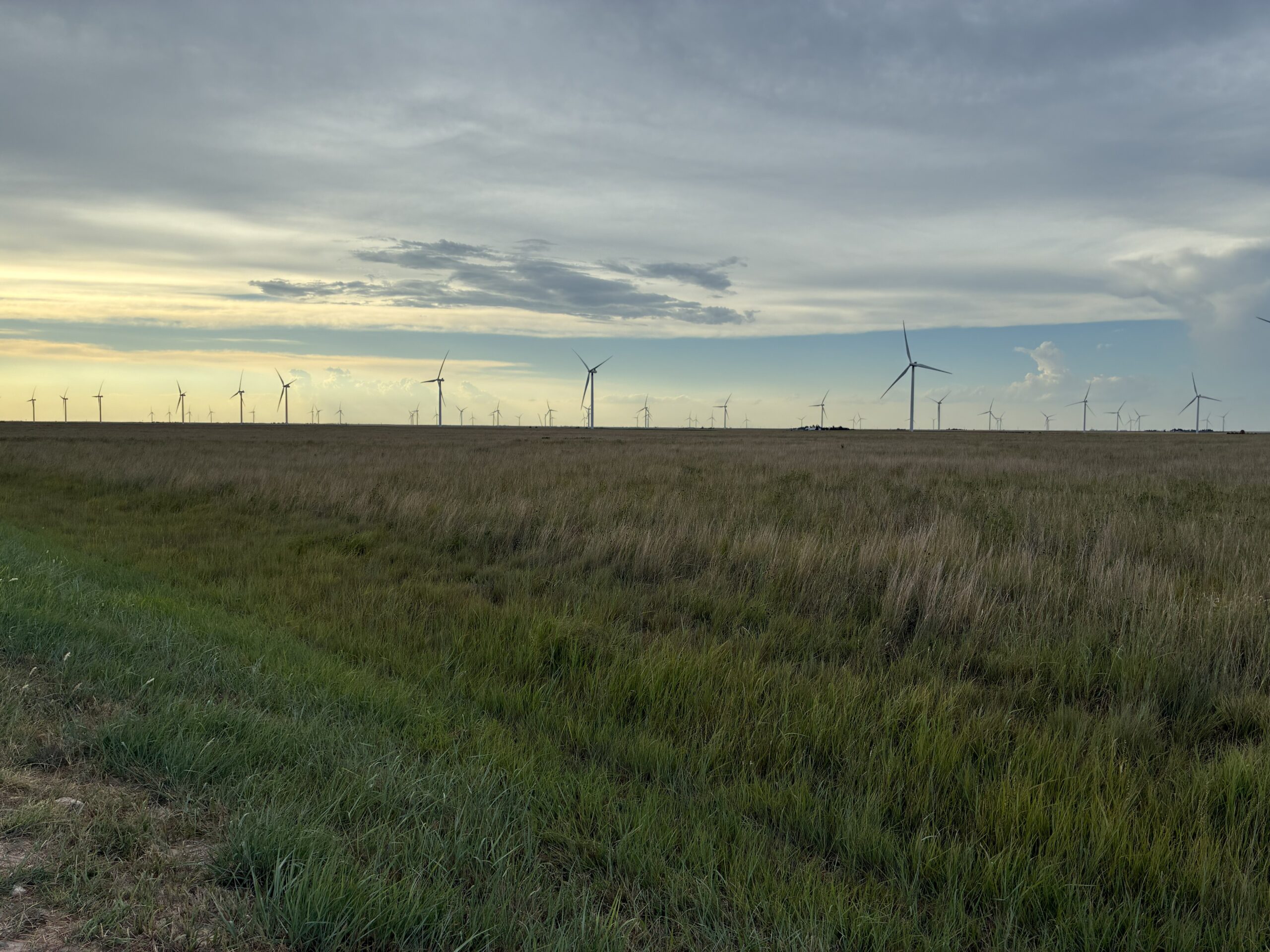
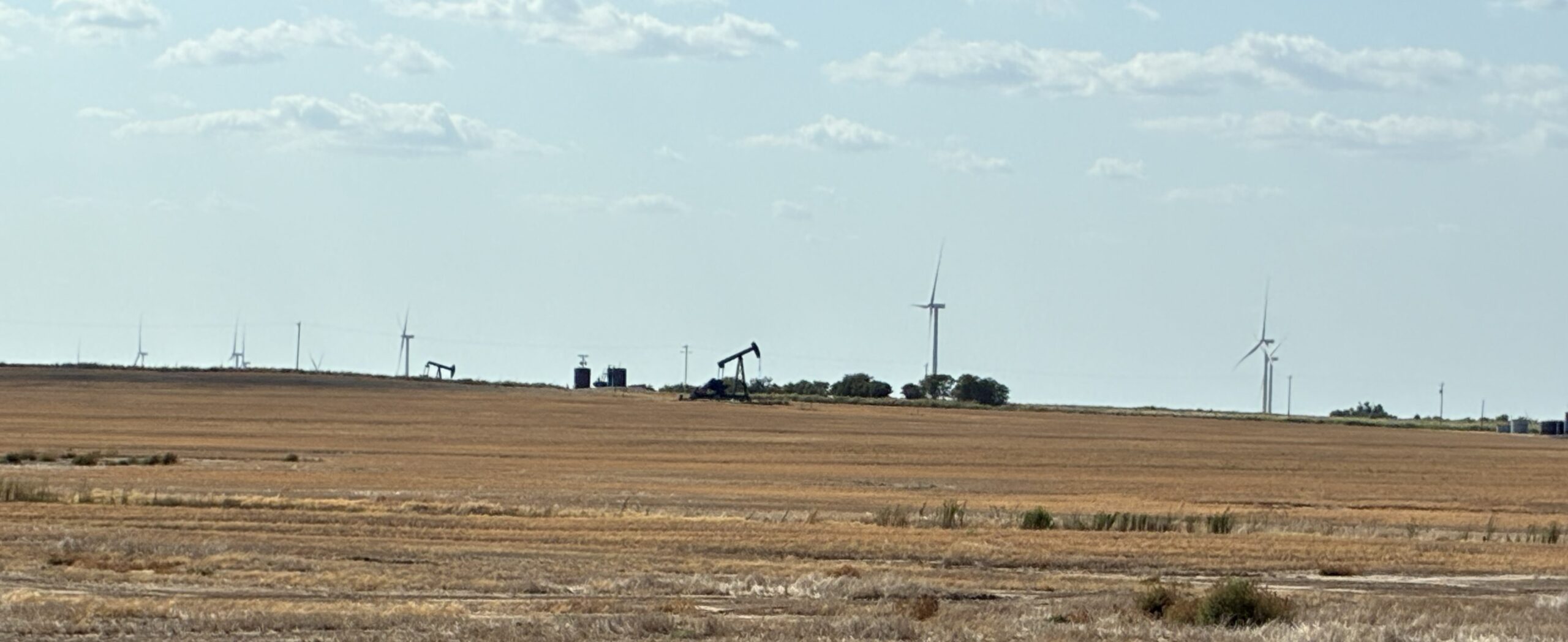
In Texas and Oklahoma, I see large fields of windmills. These are red states, and I wonder whether the idea that wind power is so bad is really followed through at the state and local level.
The great plains states, from Texas all the way up to Minnesota, are the number one wind producing states in the country. Wind efficiency just keeps getting better and better, they are continuing to replace older turbines with new turbines. Those are sound investments, and clean energy developers are still going to be making those investments. Wind is still moving forward because the efficiency is there. If a utility issues a competitive solicitation to acquire additional power, for example, the results will likely show that wind and solar plus battery storage is cheaper than everything, so that’s just the economics..
Energy use per capita in the US is almost double what it is in Europe. It would be helpful to see the US getting back to reducing climate-harming gases. You say technology keeps advancing. Can we take this as a hopeful sign?
Once this national nightmare is over, we will go back to the United States as being a proponent of clean energy technologies. I think the most exciting breakthrough in the last five to 10 years has been battery storage technology, grid-scale batteries. They’re no longer building natural gas peaking plants. I saw this in California. I was just in Palm Springs. There was a natural gas peaking plant a half mile down the road and it’s being replaced with batteries a half mile north, because rather than dispatching that natural gas peaking plant 4 or 8 hours a day when the system is hitting its peak and the sun’s going down, they’re using batteries and battery technology. The numbers keep getting better in terms of efficiency and in terms of lower cost. There’s just tremendous progress in battery storage technology.
According to the U.S. Energy Information Administration, US electricity demand will grow between 0.9 and 1,6 percent each year until 2050. Will this make renewable energy more acceptable, and can renewables fill the gap?
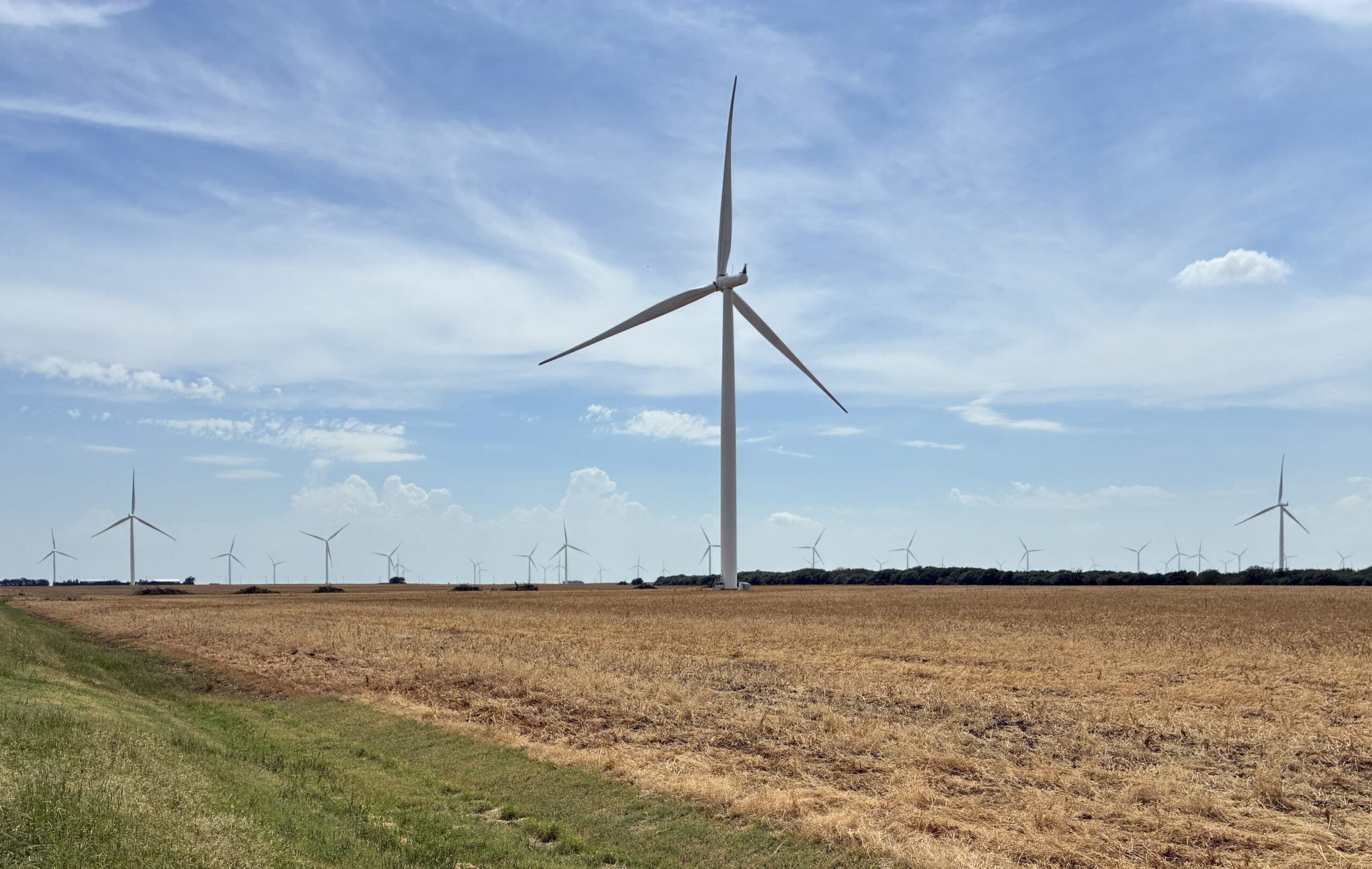
With this anticipated growth in electricity loads, there will be a large role for renewable energy. The challenge is firming up that power supply, given that wind and solar are variable resources. How do you firm that up? With battery storage technology. During those shoulder periods after the sun goes down, for example, people are still using lots of electricity, and batteries can be used to fill that gap rather than natural gas peakers. In California, they have more solar electricity than they know what to do with in the middle of the day. So, you take advantage of that excess by charging up those batteries. Wind is even more productive and represents a less intensive use of the land than solar. Obviously, the efficiency of wind power is greater as wind turbines use less land than solar panels. In Iowa, for example, where I grew up,, wind turbines are commonly installed in cornfields without precluding a corn crop. The same is true for the ranches of western Texas, where cattle can roam among the wind turbines. It is also worth noting that wind and solar are complementary, to the extent that wind turbines tend to produce more energy at nighttime and solar obviously during the day, so the two together actually work together pretty well.
In the primary campaigns there is a lot of talk about the voracious appetite for electricity of data centers. There appears to be criticism from both political sides. Will this translate into more support for green electricity?
It’s got a lot of interest because it’s causing demand for electricity to really spike. The Trump Administration claims we need to have these data centers built so that the U.S. can win the AI race. They are doing pretty much everything the federal government can do to streamline the building of data centers. But now, states are now stepping up and saying, we don’t like the fact that those data centers are going to cause electricity rates to go up for existing residential and commercial customers. Governors say, if you want a data center, you build it yourself and you cover all the costs yourself and protect existing customers from adverse rate impacts. In states where governors are on the ballots, they’re just putting a halt to data centers. But the data center developers got lots of money — we’re talking Google, Microsoft, Amazon, and Facebook — and natural gas is more or less the default source of energy. So, the big oil and gas companies are coming in and saying, build me a big natural gas plant and we’ll get you the natural gas to run your data center. And if they can do that, they will do that. If you can have a power plant next to your data center, you can say it’s not going to have any adverse impact on existing customers.
And nobody seems to care that the needed electricity comes from fossil fuels? That’s not an issue?
Yes, the emissions impact of this additional development will be problematic, but that aspect is receiving very little attention. Data center developers are saying we can’t do wind and solar because we’ve got to have 24/7 reliability, so we’ve got to have natural gas. Natural gas is relatively cheap and plentiful in the United States thanks to shale gas development.
17 percent of US electricity production comes from coal, 24 percent from renewables. President Trump promised to revitalize the coal industry and bring the coal jobs back. How much of this has actually happened?
Nothing. It’s an inefficient way to generate electricity because it’s too expensive. That’s apart from the environmental impact. Once fracking began scaling up 15 years ago, cheap and plentiful natural gas became widely available from shale plays throughout the U.S. When combined with more efficient combined cycle combustion turbines that became available in the 2010s, all the coal plants fell “out of the money.” They can’t compete with gas, wind and solar in the competitive wholesale markets in the U.S. So, no one is going to build a new coal plant. The Trump administration just gave away a bunch of money to supposedly build a new coal plant in Alaska and a new coal plant in West Virginia. I guarantee you they will never break ground on those projects. It doesn’t make economic sense; coal is simply too far out of the money, and the prospects are worse when the environmental impact of mining and burning coal are considered (back when the U.S. Environmental Protection Agency cared about such things).
You include nuclear power as part of the «affordability path». Is that a smart way to reduce greenhouse gas emissions?
I think so. We are definitely keeping the older plants running longer in the United States, and we are bringing back some of the older plants that have been retired. It’s baseload, carbon-free generation, and it’s relatively inexpensive once you get them up and running. The challenge is that we can’t seem to build new nuclear plants at a reasonable price. The two nuclear plants that the Southern Company built in Georgia that came online three or four years ago cost 40 billion dollars for 2000 megawatts. That’s just ridiculous. Those numbers don’t make any sense compared to alternative generating sources. So, the interest is focused on small modular reactors, sized at about 60 or 80 megawatts that can be aggregated easily in a “plug and play” strategy. We are a few years off on any of that to actually come online, but there is a lot of interest in small modular reactors, because we seem to lack the capability of building the big plants anymore in the U.S.
Do you see room for some kind of bipartisanship on renewable energy if the Republican party cannot hold the majority in both houses in the fall and Congress would be divided?
Congress, the legislative branch, provides some oversight, they can have some hearings, and they can harass the administration and all that stuff. But you’ve still got a lot of discretion in the hands of the executive agencies that is going to be exercised in a way that favors fossil fuels. And it’s gotten much more partisan under the second Trump administration. No legislator from a red state is going to say, oh yeah, we love this renewable energy. They’re not going to do anything to get crossways with an Administration that just wants to kill solar and wind and promote coal, oil and gas. They keep their heads down. But once this Administration goes away, then I think everyone realizes that there’s a lot of good jobs and reasonable prices associated with clean energy.
What is your message to Europeans who cling to promoting green energy and reducing greenhouse gases?
Please don’t follow our lead. It is an embarrassing time to be an American right now. I spent two weeks traveling in Europe this summer, and I was tempted to say I was from Canada. The Trump Administration is crippling the development of the energy sources of the future in favor of an energy policy from 50 years ago, with its higher costs and unacceptable environmental impacts. It is truly embarrassing. Moreover, the planet simply can’t bear the carbon emissions associated with this four-year detour in America’s energy policy. So please don’t follow our lead. A sane U.S. energy policy is on the horizon.